Experience the natural beauty of Cabo de Gata in summer
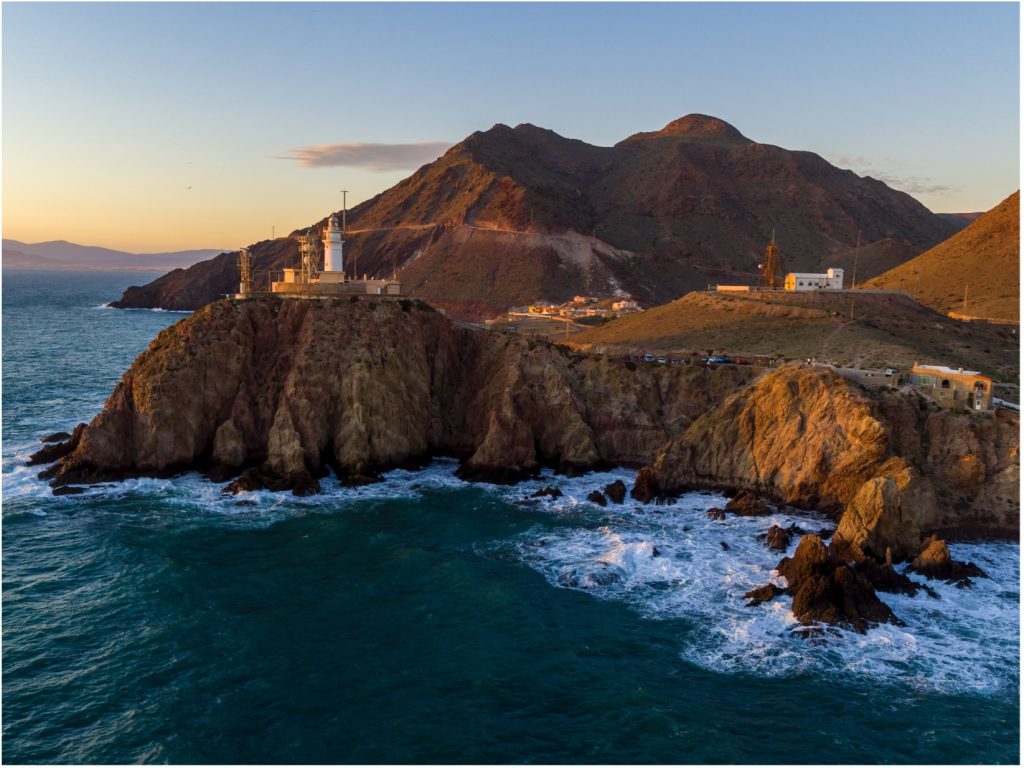
Beyond the academic program, we have planned social activities to help you discover the natural beauty of the Cabo de Gata-Níjar Natural Park and enjoy the Mediterranean atmosphere. Late June in San José is warm and sunny — perfect for combining research discussions with the outdoors.
Final details will be shared with confirmed participants. Please confirm your participation in advance to help us organize transport, food and group activities.
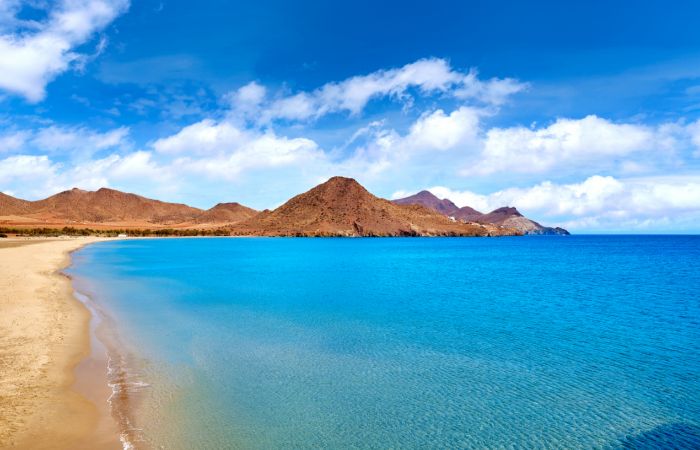
When: Wednesday, June 24, 2026 (local holiday)
Duration: Half-day or full-day social activity, depending on the group
Meeting Point: To be announced
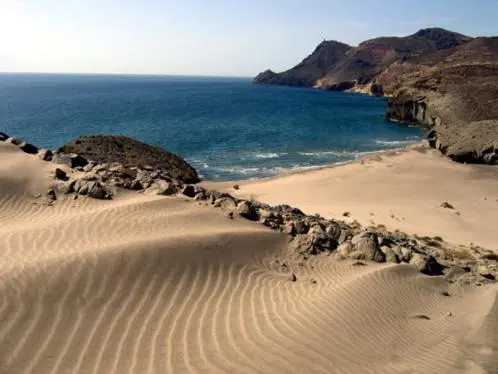
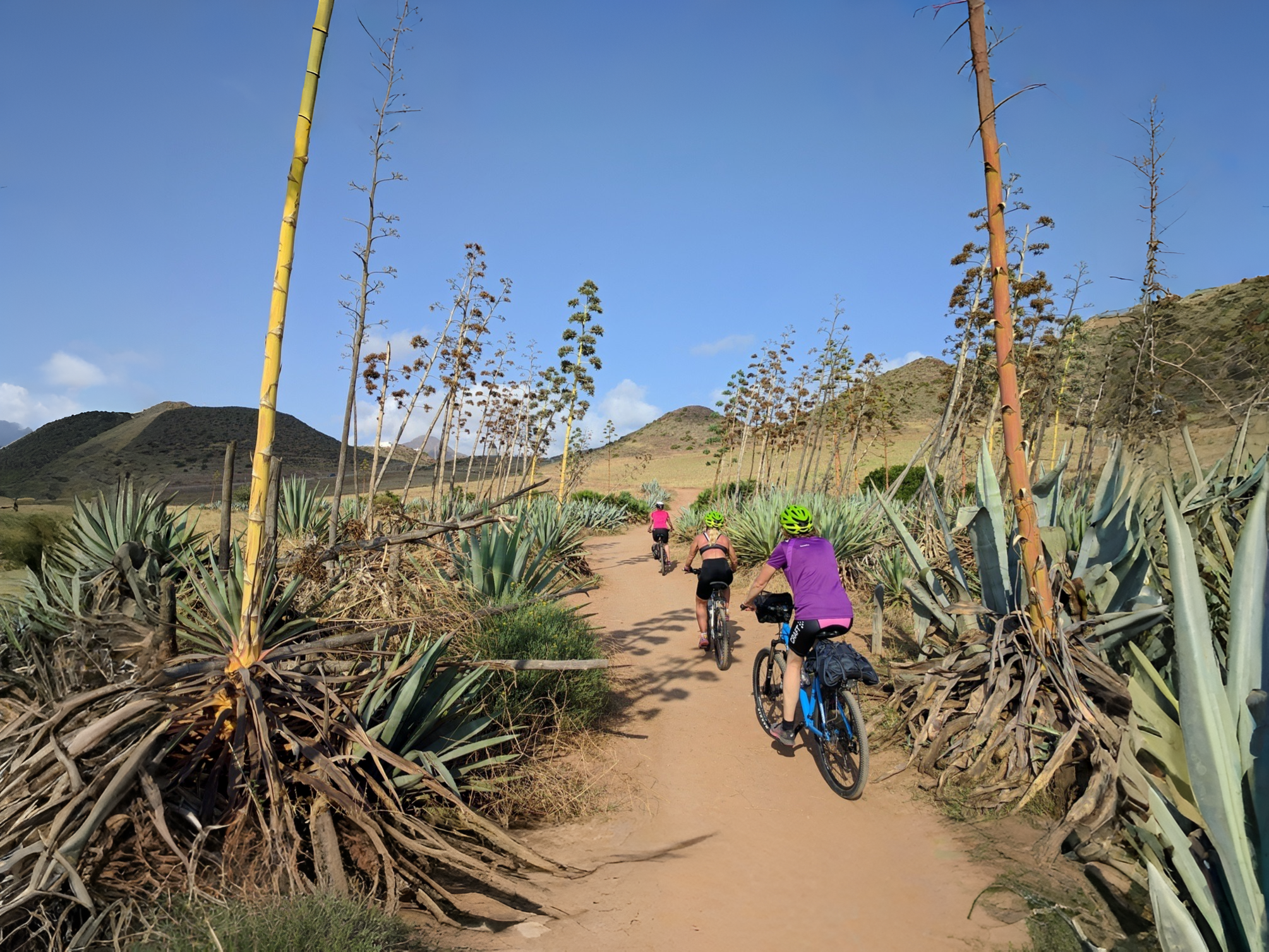
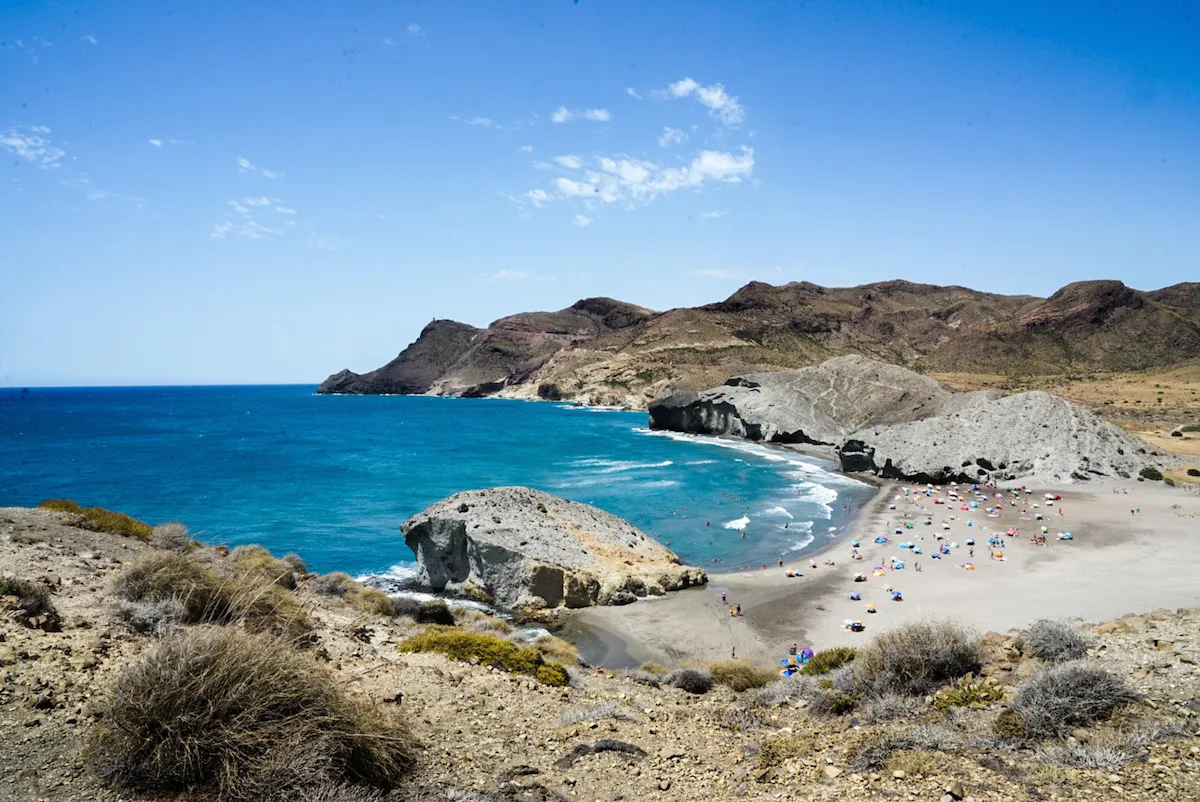
Explore the scenic routes of the Cabo de Gata Natural Park towards Playa de los Genoveses and Playa de Monsul, two of the most iconic beaches in the area. The excursion will be adapted to the group and conditions, either by bike or on foot.
The goal is simple: keep the discussion going outdoors, enjoy the volcanic landscape, and leave room for beach time, swimming, informal games and optional snorkelling if the weather and sea are kind.
Note: Please wear comfortable clothes and bring sunscreen, a hat, water, swimwear, a towel, and beach shoes or sandals. If you have snorkelling gear, bring it along.
When: One evening during the workshop (TBC)
Time: Around 21:00 (typical summer Spanish time)
Location: To be shared with confirmed participants
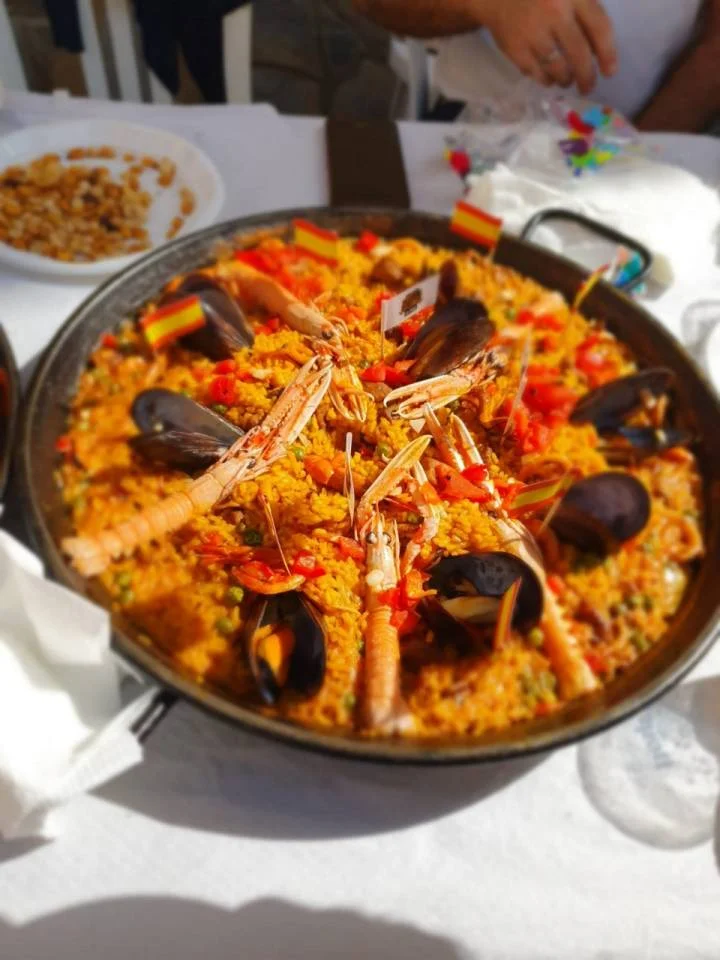
Join us for an evening of local Mediterranean cuisine. This dinner is an excellent opportunity to network with fellow participants and speakers in a relaxed atmosphere.
The plan will showcase the spirit of Almería's gastronomy: local vegetables, seafood where possible, traditional dishes and plenty of time for conversation.
Note: Please inform us of any dietary restrictions in advance via email.
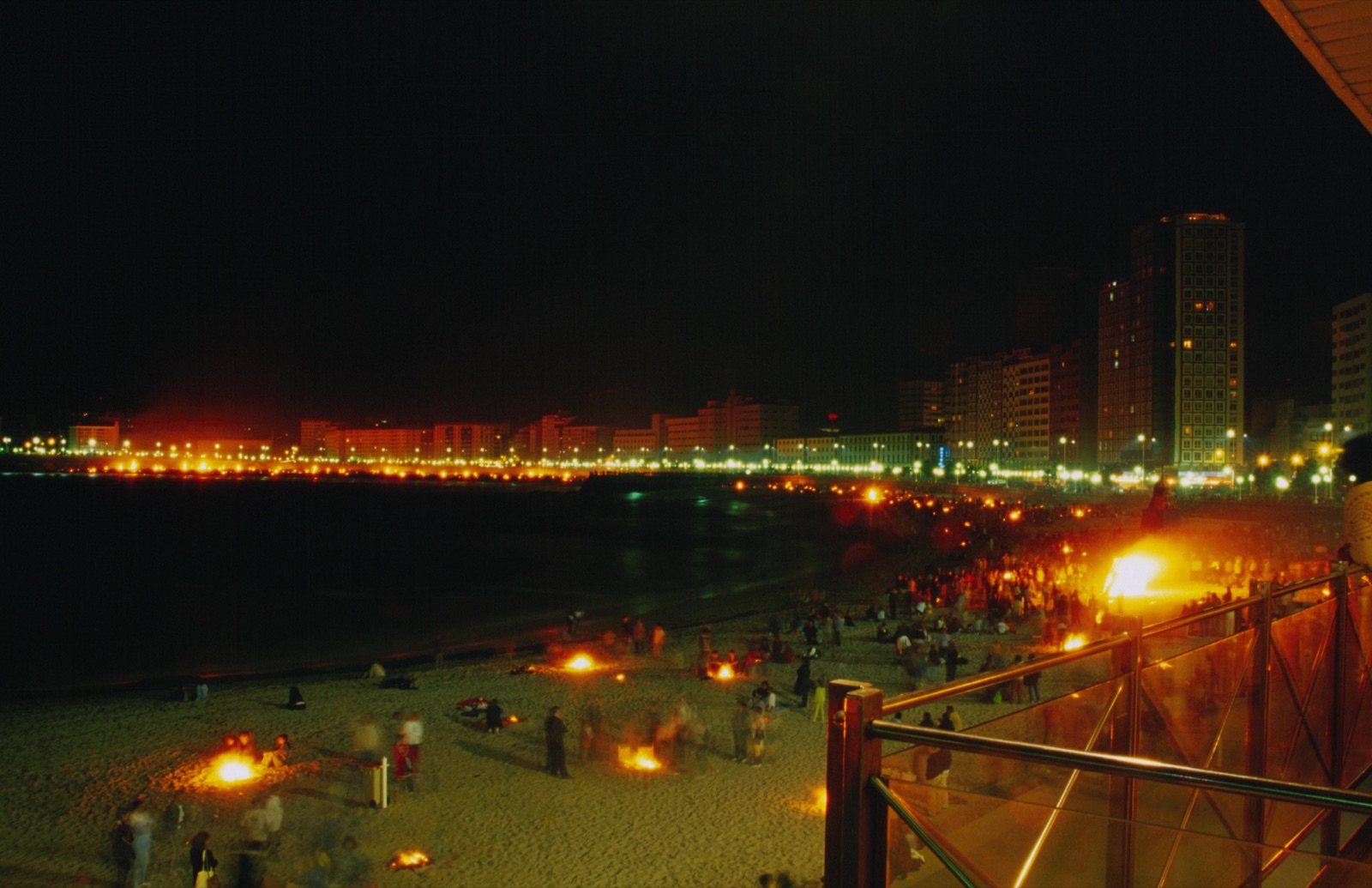
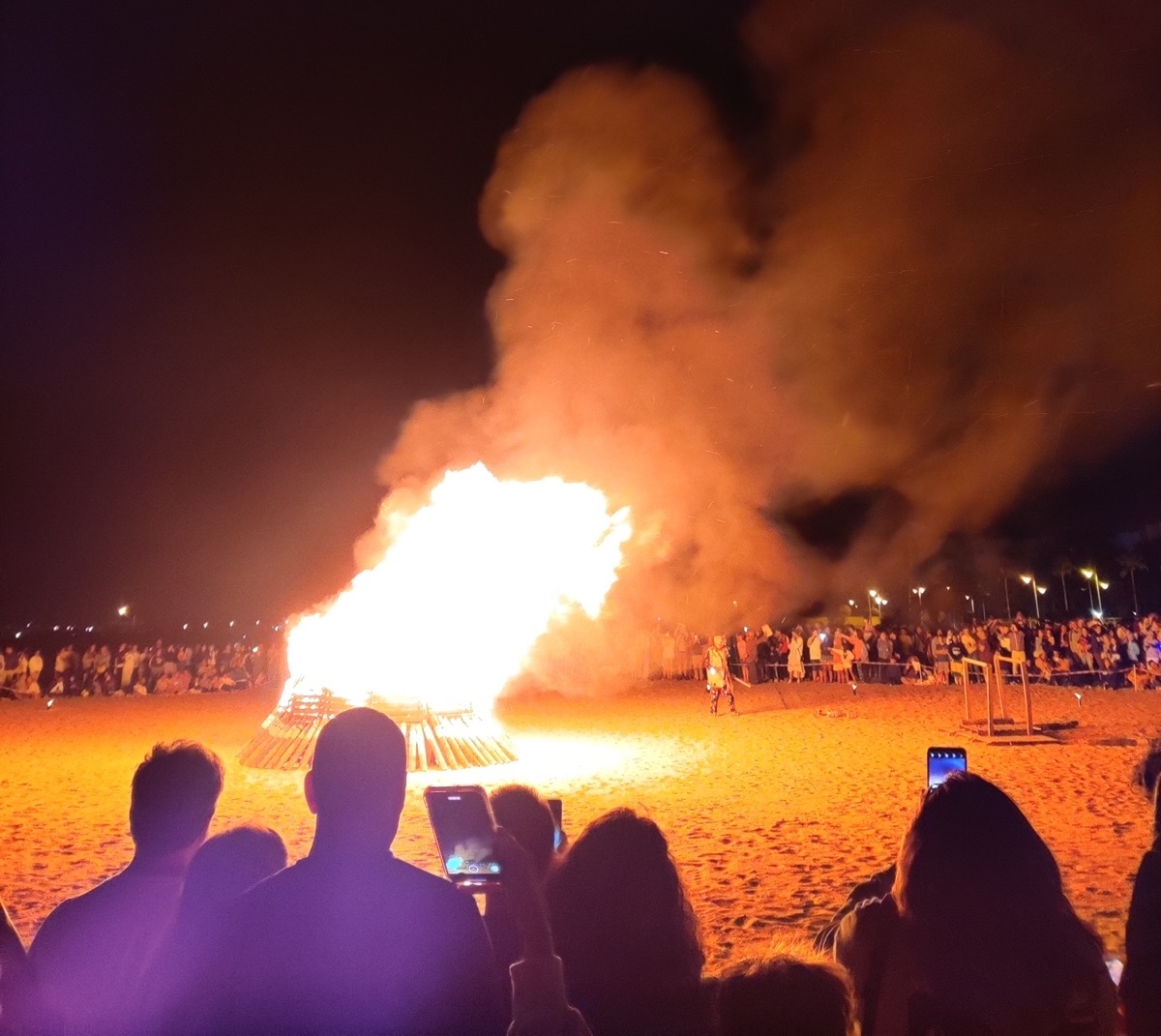
When: Night of Tuesday, June 23 into Wednesday, June 24, 2026
Location: San José Beach
One of the highlights of the week will be the chance to experience the Noche de San Juan (St. John's Eve), one of the most beloved traditions of the Spanish Mediterranean coast. On the shortest night of the year, towns and villages along the coast of Almería, Valencia, Catalonia and the Balearic Islands celebrate the summer solstice with bonfires, music, food and rituals that blend pagan and Christian roots.
In San José and the surrounding villages, locals and visitors gather on the beach to:
It is a warm, festive and very informal evening — the perfect way to experience local culture and continue workshop conversations under the stars.
Note: The celebration is a public, open-air event. Bring something warm for late hours, and beach-appropriate footwear. Participation is entirely optional.
When: During the Wednesday social day, if the group is in the mood
Format: Small teams, improvised materials and very serious mathematics with sand on its shoes
We may organize an informal geometric championship on the beach, connecting the workshop theme with playful outdoor challenges. Possible games include sand-drawn constructions, symmetry and rotation challenges, Morley-inspired triangle puzzles, or short team explanations of geometric ideas using only beach materials.
The rules will be simple, the scoring questionable, and the emphasis firmly on fun, discussion and creativity.
Note: No preparation is required. Curiosity, sunscreen and a willingness to draw mathematics in the sand are enough.
When: Spontaneously, when least expected
Location: Wherever there are two or more attendees and a coffee break
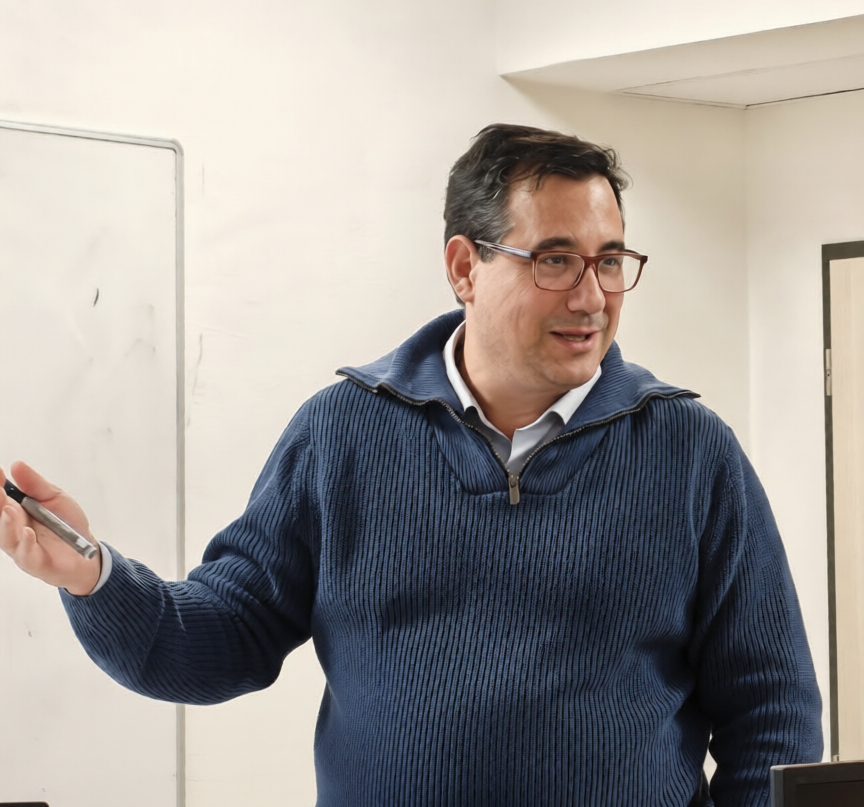
A time-honoured tradition of our workshops. Curro (Francisco Arrabal) — unofficial Workshop Morale Officer — will once again grace us with a selection of classic Spanish jokes translated into English. Nobody understands them. Everybody laughs. Science continues.
Some say geometric algebra explains the universe. We say it still can't explain why "no tengo abuela" lands in any language.
Warning: Uncontrolled laughter, confused glances and sudden etymological debates may occur. No refunds.
The Cabo de Gata-Níjar Natural Park is Andalusia's largest coastal protected area, covering over 45,000 hectares of land and sea. It is a unique landscape of volcanic origin with stunning geological features, pristine beaches, and rich biodiversity.
Key features of the park include:
The park's semi-arid climate makes it one of the driest regions in Europe, creating a unique ecosystem that resembles North African landscapes more than typical European ones.