Geometric Power Theory
Frequency-domain and time-domain formulations for power flow, apparent power and non-sinusoidal multiphase systems.
Full Professor · University of Almeria
I develop mathematical and experimental tools for modern electrical systems: geometric algebra models, smart metering, power quality analysis and optimization methods for energy-aware engineering.
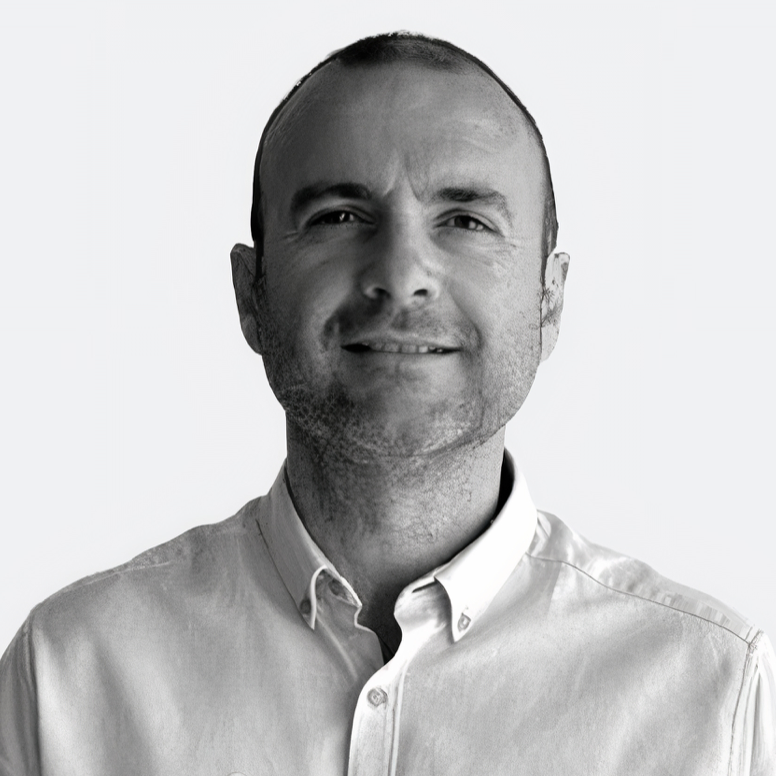
Profile
Francisco G. Montoya is Full Professor in the Department of Engineering, Electrical Engineering Section, at the University of Almeria, Spain. He received his M.S. from the University of Malaga and his Ph.D. from the University of Granada.
His research brings together geometric algebra, power theory, power quality, smart grids, smart metering and optimization methods for energy systems. Recent results focus on non-sinusoidal and unbalanced multiphase systems, time-domain load identification, reactive current compensation and software tools for applied geometric algebra.
Research
Frequency-domain and time-domain formulations for power flow, apparent power and non-sinusoidal multiphase systems.
Reference-frame identification, bivector analysis and geometric signatures for unbalanced networks and faulted power systems.
Instrumentation, IoT-enabled analyzers and laboratory validation for monitoring electrical systems under realistic conditions.
Linear programming, evolutionary methods and multi-objective optimization for compensation, renewable energy and grid operation.
Research CV
A compact slice of current work and papers that anchor the research line. For the complete record, use the academic profile links.
A compensation algorithm validated with theoretical and real-world data.
A recent extension of the geometric algebra power theory line to multiphase unbalanced conditions.
Laboratory validation for instantaneous voltage-current based load parameter identification.
A geometric framework for identifying reference frames in unbalanced n-phase systems.
Fault detection and classification through ellipse fitting and geometric algebra.
Software infrastructure for geometric algebra computation and applied experimentation.
A wider signal-processing view of hypercomplex methods and core research directions.
A physical power-flow model built from geometric algebra and two-dimensional Maxwell equations.
A practical instrumentation result connecting measurement, power quality and IoT deployment.
A key earlier step in the instantaneous power and time-domain identification line.
A representative foundation of the renewable-energy optimization research line.
Projects
Current work on non-sinusoidal and unbalanced multiphase systems, reactive current compensation and experimentally verified load identification.
Real-time integration of energy-awareness in machine learning using high-accuracy smart energy meters and power quality analyzers.
Smart-meter-based power quality analysis and optimization for residential and commercial energy use in Andalusia.
Computational methods for global optimization, multimedia, image processing and engineering design.
Teaching and supervision
I have taught power engineering courses since 2000, including Electrical Engineering, Electrical Installations, Rural Electrification, Circuit Theory and Advanced Circuit Theory.
Ph.D. supervision includes theses on wireless sensor monitoring, power quality, renewable energy optimization, bioclimatic architecture and community detection in complex networks.
Contact
Department of Engineering · Electrical Engineering Section
University of Almeria · Spain