1 - Fundamentals of microalgae-based processes.
1.6 - Applications and products of microalgae
We will now briefly mention some of the products and applications that can be obtained from microalgae. We will not cover complete cases, which are far more complex and often involve the reuse of by-products. These will be left for the study of selected cases in Lesson 8. Nor will we mention microalgae harvesting techniques in this section.
To structure the information, we will classify products/applications as low-value and high-value:
 .
.-
Low-value products and applications: these give rise to cheap products, often commoditised (standardised with large markets of producers and consumers) and handled in large quantities. It is difficult to set a precise limit, but these products would have a value of between a few euros and a few tens of euros per kilogram of biomass, and are handled in tonnes or hundreds of tonnes.
-
High-value products and applications: by contrast, these are substances produced in small quantities, with a value of hundreds or thousands of euros per kilogram (some thousands of euros per gram), and often appearing in microalgal biomass in small amounts, so their recovery and purification further increase their price.
Apart from structuring the information, the high/low-value distinction makes sense as it determines the cultivation system to be chosen. It is obvious that a 100 Raceway is not appropriate for a very high-value product that must be produced with a slow-growing strain with low resistance to environmental conditions.
SOME LOW-VALUE PRODUCTS/APPLICATIONS
Among the commoditisable low-value products are biofertilisers from amino acid concentrates, biodiesel via lipid transesterification, bioethanol through carbohydrate fermentation, and wastewater treatment integrated with biogas production.
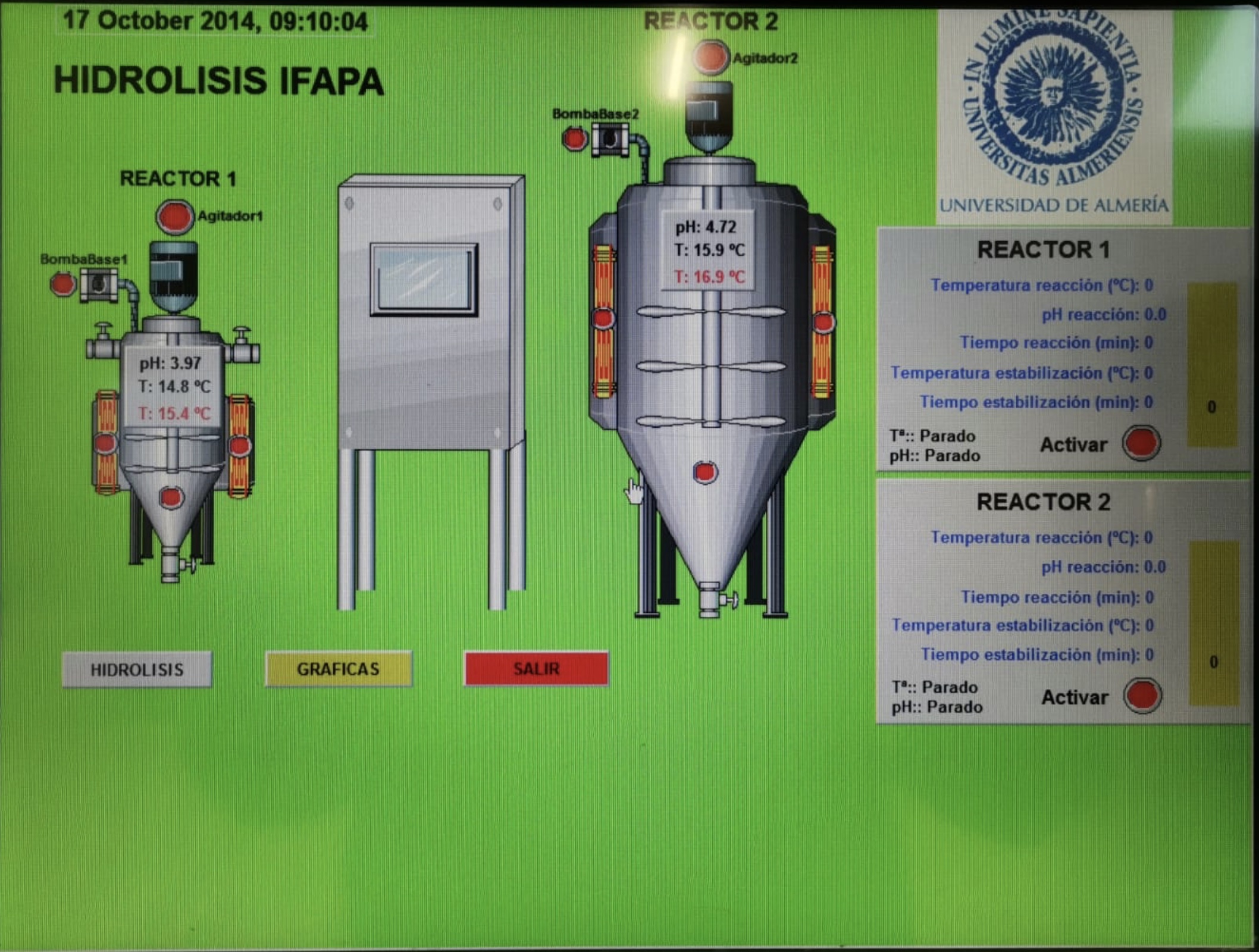
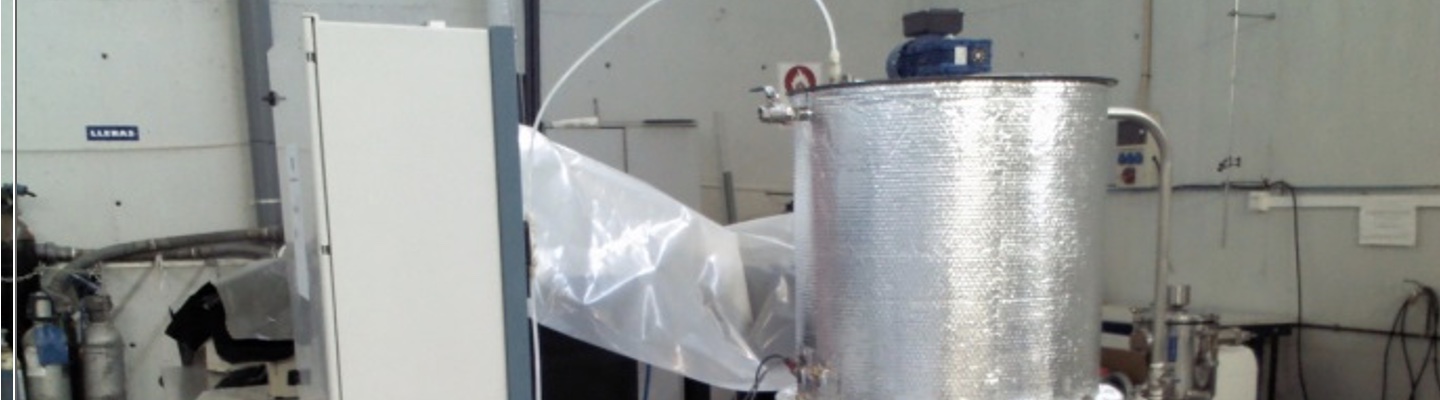
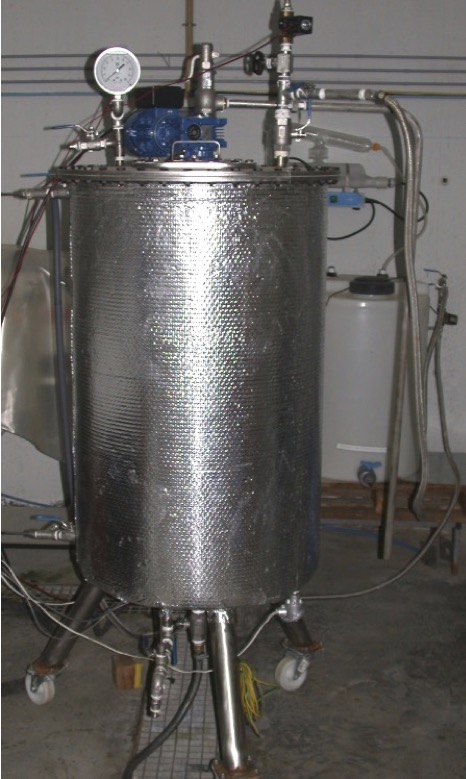 Hydrolysis tank for biofertiliser production.
However, the low-value product par excellence is raw biomass, whether dried or frozen, which can be used directly for the generation of heat, steam or electricity. This biomass is also a source of SCP (single cell protein) for human and animal nutrition. In addition, certain species are capable of carrying out water photolysis to produce hydrogen (), a carbon-free energy vector.
An added value common to all these processes is the capture and fixation of atmospheric or from industrial emissions. This greenhouse gas mitigation capacity is, in itself, an application of great environmental and economic interest within the framework of a sustainable biorefinery.
- Biofertilisers: L-Amino Acid Concentrates
The production of free amino acid concentrates represents a strategic opportunity to valorise biomass within a biorefinery scheme.
Valorisation of the Protein Fraction
In fast-growing microalgae cultures, proteins are usually the most abundant component, typically representing between 30% and 60% of the dry weight of the biomass. This process allows this major fraction to be transformed into a product of high agronomic value.
Benefits for Plants
- Energy savings: By supplying amino acids directly, the plant does not need to invest metabolic energy in reducing nitrates or ammonium to synthesise its own proteins.
 Hydrolysis tank for biofertiliser production.
- Biostimulant effect: Its application, whether foliar or directly to the soil, has been shown to have very favourable effects on plant structure development.
The Biorefinery Process (Enzymatic Hydrolysis)
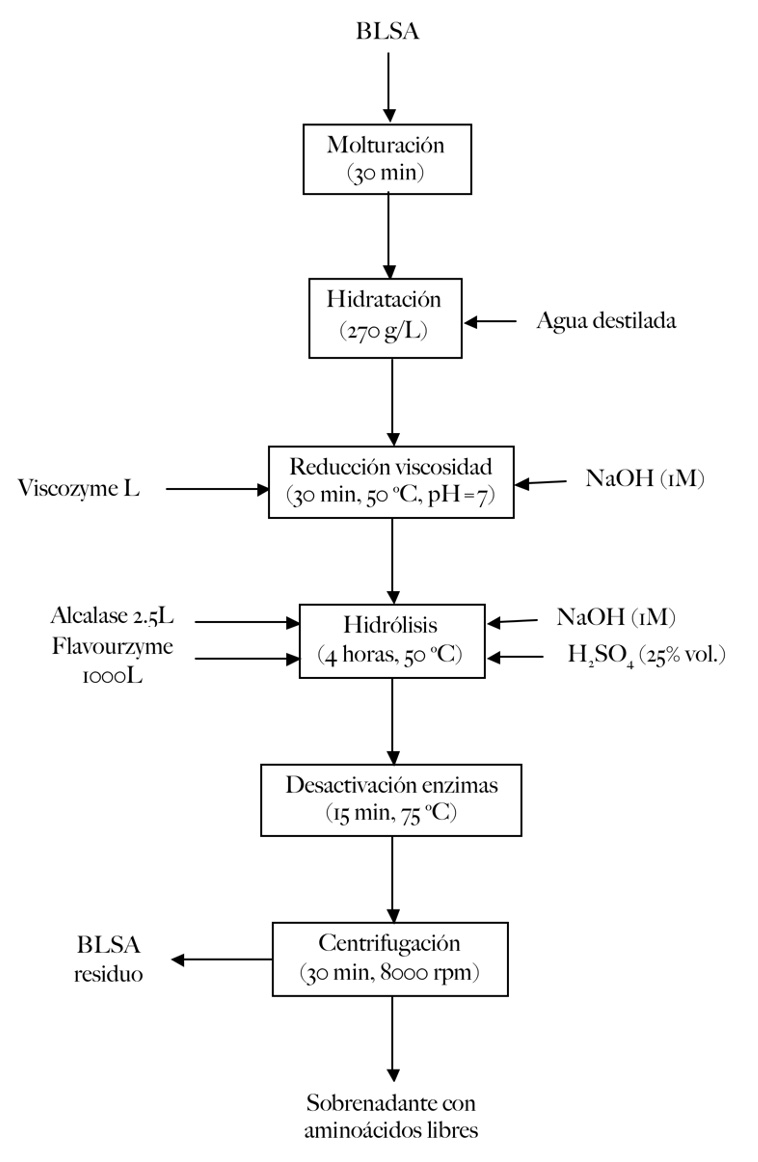
To obtain a high-quality product, rich in essential amino acids and free of toxic degradation by-products, enzymatic hydrolysis under mild conditions is preferred over chemical methods. The process consists of the following steps:
- Cell Disruption: Mechanical rupture is carried out using a ball mill for 30 minutes to release proteins from inside the cell.
- Viscosity Reduction: The enzyme Viscozyme L is used (for 30 min at pH 6–7) to break down carbohydrates. This reduces the viscosity of the medium and improves mass transfer, increasing the yield of the subsequent hydrolysis by 30%.
- Two-stage Enzymatic Hydrolysis: The commercial proteases Alcalase (endoprotease) and Flavourzyme (exoprotease) are used consecutively. The process is optimised by carrying out two reaction cycles of 3 hours each to maximise the release of free amino acids.
- Deactivation and Separation: After the reaction, the enzymes are deactivated by heat (75°C for 15 min). The final liquid concentrate is separated from the biomass residue by centrifugation.
Results and Final Product
- Efficiency: The process achieves a degree of hydrolysis of up to 59% after two reaction steps.
- Product quality: The result is a liquid rich in amino acids such as glutamine, serine, glycine, histidine and lysine.
- Sustainability: The resulting residual biomass has a low nitrogen content, facilitating its subsequent processing to obtain other products such as biofuels.
- Microalgal biodiesel
The production of biodiesel from microalgae is based on the recovery and conversion of their lipids, mainly triglycerides (TAG), into alkyl esters of fatty acids. This process is generally integrated into a chain of operations including cultivation, harvesting, drying and extraction prior to the final chemical conversion.
Cultivation and lipid accumulation
Microalgae are cultivated to maximise biodiesel production, aiming to increase the lipid content of the biomass, which is usually induced by stress conditions, nitrogen limitation being the most widely studied technique for stimulating TAG accumulation.
Harvesting and drying
The biomass is thickened by flocculation and centrifugation or filtration. For processing, the biomass must be dried to enable transesterification.
Lipid extraction
There are two main approaches to extracting lipids from dry biomass:
- Mechanical methods: Use screw or hydraulic presses to break the cell structure by shear forces. Yield is usually moderate, between 60% and 80%.
- Chemical methods: The most common is solvent extraction, usually with hexane due to its efficiency and relatively low cost, achieving yields of up to 98%. The process can be enhanced by ultrasound or microwave assistance to facilitate cell wall disruption.
Transesterification
Extracted lipids are too viscous for direct use in diesel engines and must undergo transesterification. In this chemical reaction, triglycerides react with an alcohol (methanol or ethanol) in the presence of a catalyst to produce fatty acid methyl esters (FAME) or ethyl esters (FAEE), with glycerol as a by-product. Catalysts can be basic (faster but sensitive to free fatty acids that form soaps), acidic (preferable for microalgal lipids due to their high free fatty acid content) or enzymatic.
Alternative: In situ Transesterification
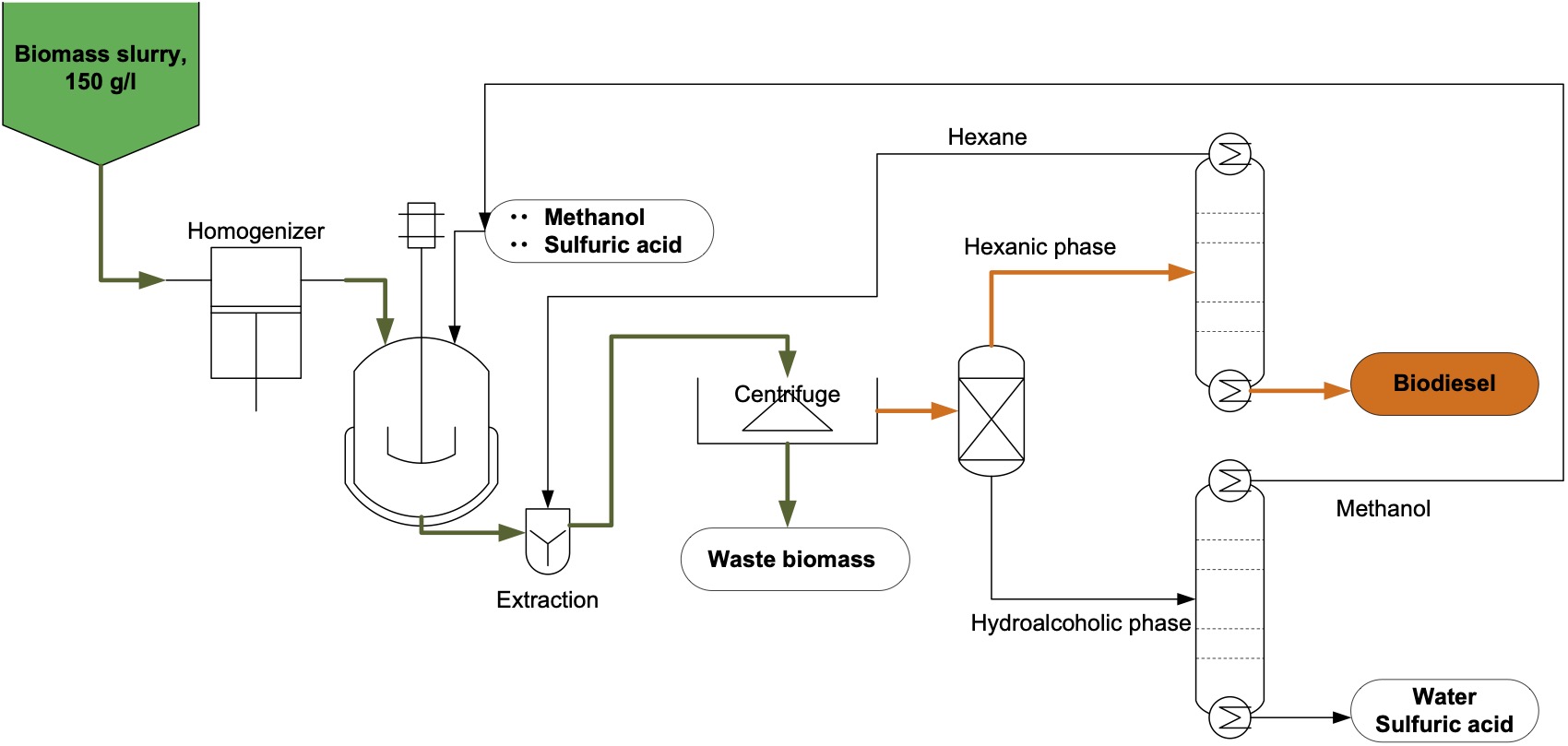
One way to reduce steps and costs is in situ or direct transesterification, where the biomass (dry or wet) reacts directly with the alcohol without prior lipid extraction. This process is usually carried out under supercritical alcohol conditions, which allows the cell wall to be penetrated and the internal lipids to react more quickly without external catalysts, although it requires high pressures and temperatures.
Distillation
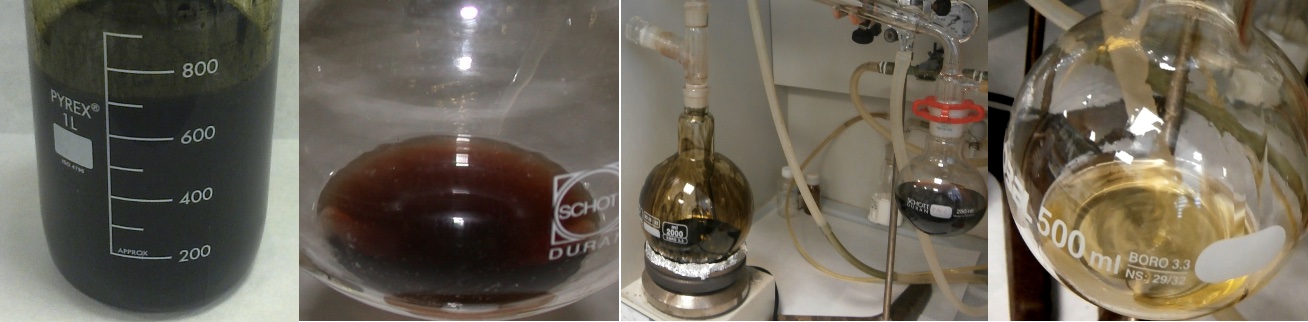
The reaction mixture must be distilled/rectified until a clear product is obtained with a fatty acid methyl ester content close to 100% (clear liquid shown below right).
- Wastewater treatment with microalgae
Applications and types of waste
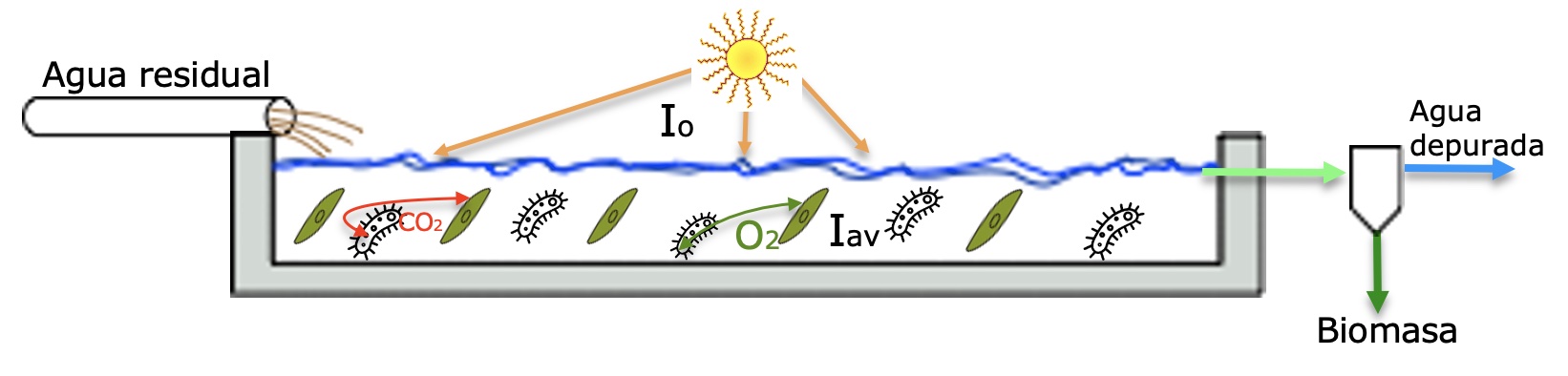
Microalgae-based treatment is a technology applicable to various types of effluents, including urban wastewater, agricultural waste such as cattle or pig slurry, and agricultural waste such as leachate from plant and offcut landfills. These discharges are used as nutrient sources for biomass cultivation, allowing water recycling and reducing fertiliser costs.
Microalgae-bacteria consortia
Water treatment and regeneration is achieved through microalgae-bacteria consortia. These systems manage to remove various nitrogen and phosphorus species from wastewater, a task that bacteria alone cannot perform with the same efficiency.
Nutrient recovery and biofertilisers
In this process, contaminant elements are not simply removed but are recovered by being assimilated as fundamental constituents of microalgal biomass. This biomass, rich in organic nitrogen and phosphorus, can subsequently be used to manufacture biofertilisers, thereby closing the nutrient cycle.
Energy valorisation and biogas
The system can achieve high efficiency through integration into a biorefinery where biomass residues are easily converted into biogas in an anaerobic digester. This energy recovery of surplus material contributes to the economic and environmental sustainability of the treatment process.
- Microalgal bioethanol
The production of bioethanol from microalgae is based on the use of their carbohydrate fraction (cellulose and starch), which can be fermented to obtain alcohol. This third-generation biofuel does not compete with food supply and has a high octane number.
Cultivation and carbohydrate accumulation
Species with high sugar storage capacity are selected for bioethanol production, such as the genera Chlorella, Dunaliella, Chlamydomonas and Scenedesmus, which can exceed 50% carbohydrate content. Accumulation of these compounds is induced by stress conditions during cultivation, such as nutrient limitation (nitrogen or phosphorus), temperature variations and high irradiation levels.
Harvesting and pretreatment
Biomass is separated from the medium through pre-concentration processes (flocculation or sedimentation) followed by thickening via centrifugation or filtration. Once harvested, pretreatment is necessary to break cell membranes and release internal carbohydrates. Chemical methods use acids or bases at high temperatures, while physical methods may include the use of microwaves or ultrasound.
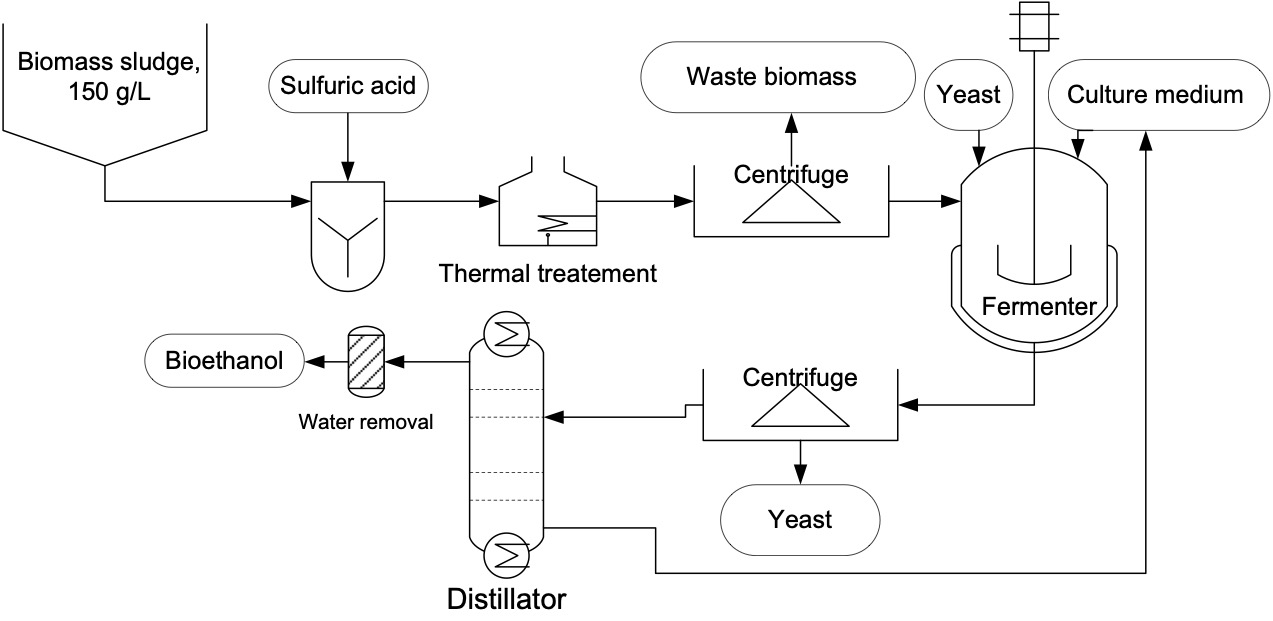 Scheme of a process for obtaining ethanol from microalgae.
Saccharification and fermentation
After carbohydrate release, saccharification is carried out to break polysaccharides into simpler fermentable sugars, usually through enzymatic hydrolysis (using amylases or cellulases) since it does not generate toxic by-products. The resulting sugars are converted into ethanol by microorganisms, generally yeasts such as Saccharomyces cerevisiae or bacteria such as Zymomonas mobilis. This process can be carried out separately from hydrolysis (SHF) or simultaneously (SSF).
Distillation and purification
The fermentation product consists of a mixture of water and alcohol that must undergo distillation to separate the bioethanol. Through this final purification process, a purity of up to 99% can be achieved. In a biorefinery scheme, the carbon dioxide generated during fermentation can be recirculated to the microalgae cultivation stage to improve the sustainability of the system.
HIGH-VALUE PRODUCTS
This section covers the recovery of specific compounds such as lutein, used for its antioxidant and colouring properties; the omega-3 fatty acid EPA (eicosapentaenoic acid) at high purity; B-phycoerythrin, used as a fluorescent probe in biomedicine; and substances labelled with the isotope for metabolic pathway tracking.
Alongside these, the industrial production of other commercially important compounds stands out, such as astaxanthin (mainly obtained from Haematococcus pluvialis), beta-carotene (from Dunaliella salina) and the fatty acid DHA (docosahexaenoic acid). Finally, the protein fraction and other bioactive substances in the biomass enable the production of plant biostimulants, which improve crop yield by facilitating nutrient assimilation and reducing the plant's energy expenditure.
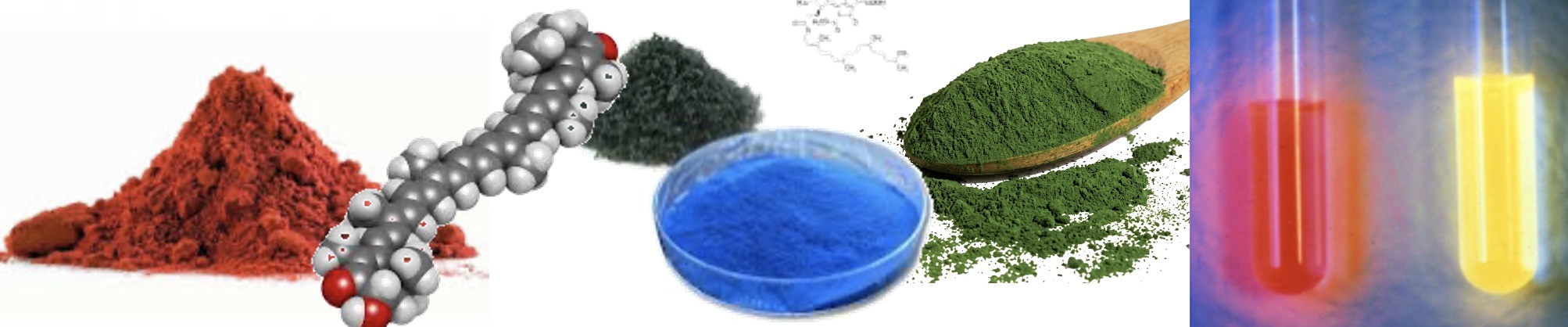
Obtaining lutein from microalgae
Lutein is a xanthophyll compound used as a food colourant (E 161 b) and in the prevention of degenerative eye diseases, cardiovascular disease and certain types of cancer. Although the main commercial source is marigold (Tagetes erecta L.), microalgae such as Scenedesmus almeriensis offer advantages due to their faster growth rate and the possibility of continuous cultivation in bioreactors.
Cell disruption
Due to the toughness of the cell wall of these microalgae, mechanical disruption is necessary to release the carotenoids; without this step, recovery yield drops to 40%. The most effective method for industrial applications is the use of a bead mill with alumina as an abrasive agent in a 1:1 ratio for 5 minutes, achieving a recovery efficiency of 98%.
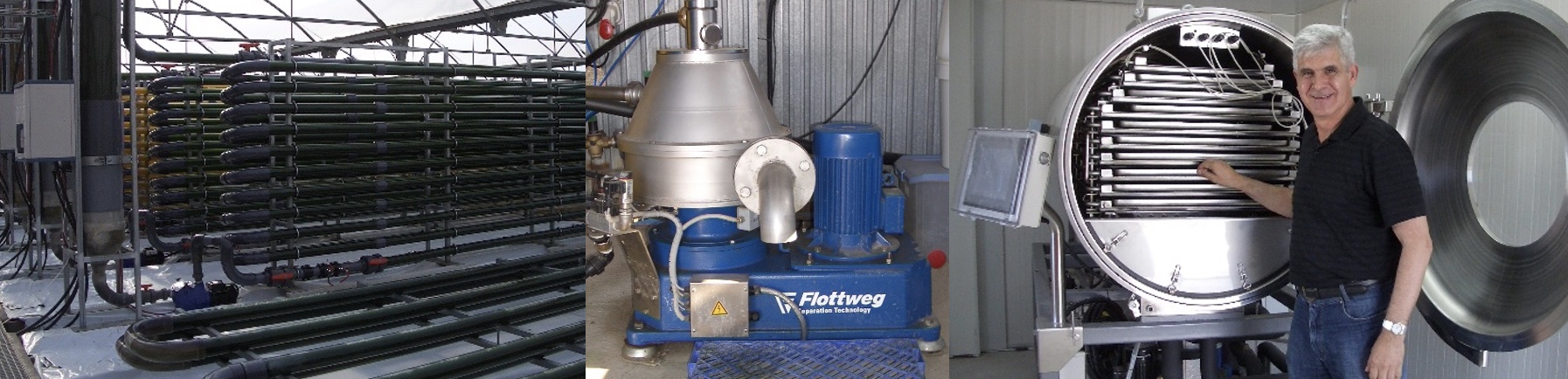
Alkaline Treatment (Saponification)
The disrupted biomass is treated with potassium hydroxide (KOH) to complete cell wall destruction and facilitate the separation of ionisable lipids. The optimal conditions established are a biomass concentration of 100 g/L with 4% w/v KOH for 5 minutes at room temperature. The use of higher alkali concentrations or longer contact times reduces process yield due to lutein degradation.
Solvent extraction
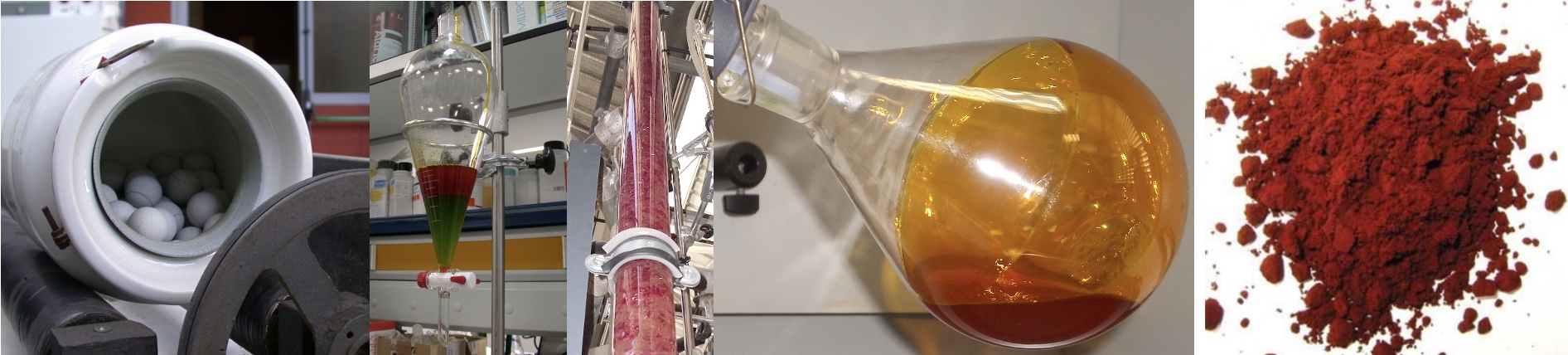
Hexane is used to recover lutein, a common solvent in the food industry due to its effectiveness in extracting carotenoids. The process can be optimised through a repeated countercurrent extraction system to minimise solvent volume used. A 95% recovery of the product is achieved after six extraction stages.
Final purification and stabilisation
After extraction, hexane is removed by vacuum distillation. The resulting carotenoid extract is stabilised by dissolving it in olive oil, producing a final liquid product with a 1% lutein concentration, suitable for direct use as a supplement or in the formulation of food for human or animal consumption.
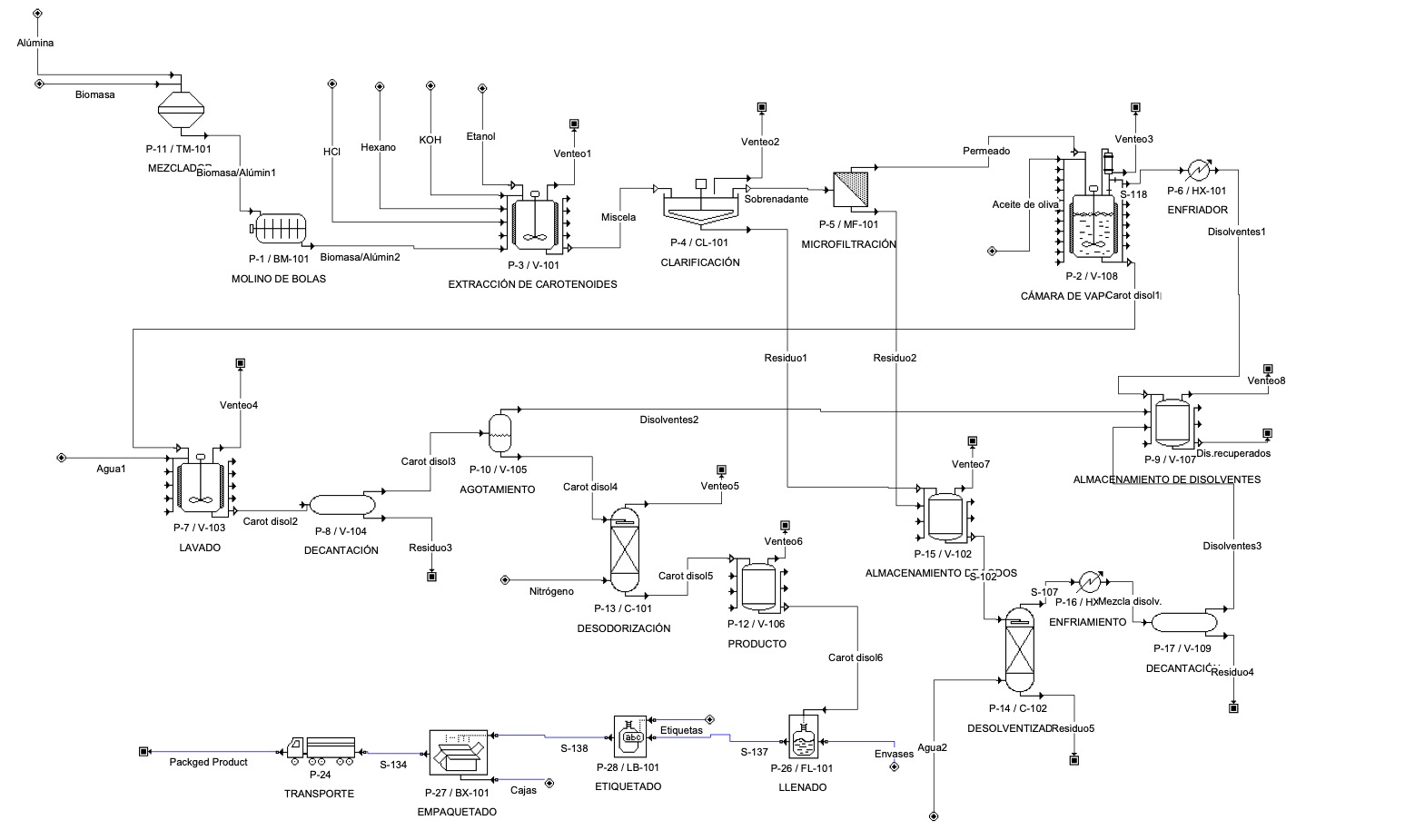
A possible flow diagram of a lutein production process from microalgal biomass is as follows:
Obtaining high-purity eicosapentaenoic acid (EPA)
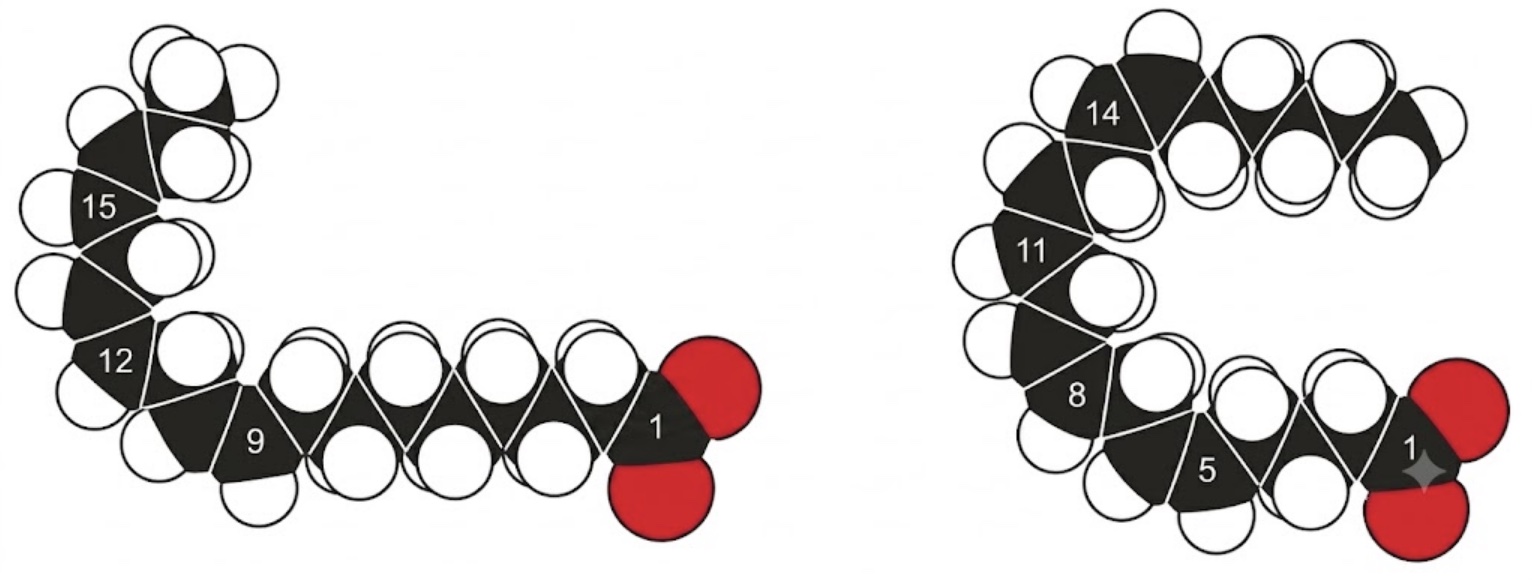
Microalgae generate "de novo" long-chain (20 or more carbons) polyunsaturated (more than two unsaturations) ω-3 fatty acids. Among these, EPA (eicosapentaenoic acid, 20:5ω3, 20 carbons, 5 unsaturations) and DHA (docosahexaenoic acid, 22:6ω3) stand out. Both are very similar, making them difficult to separate. The following describes a process for recovering EPA from microalgal biomass.
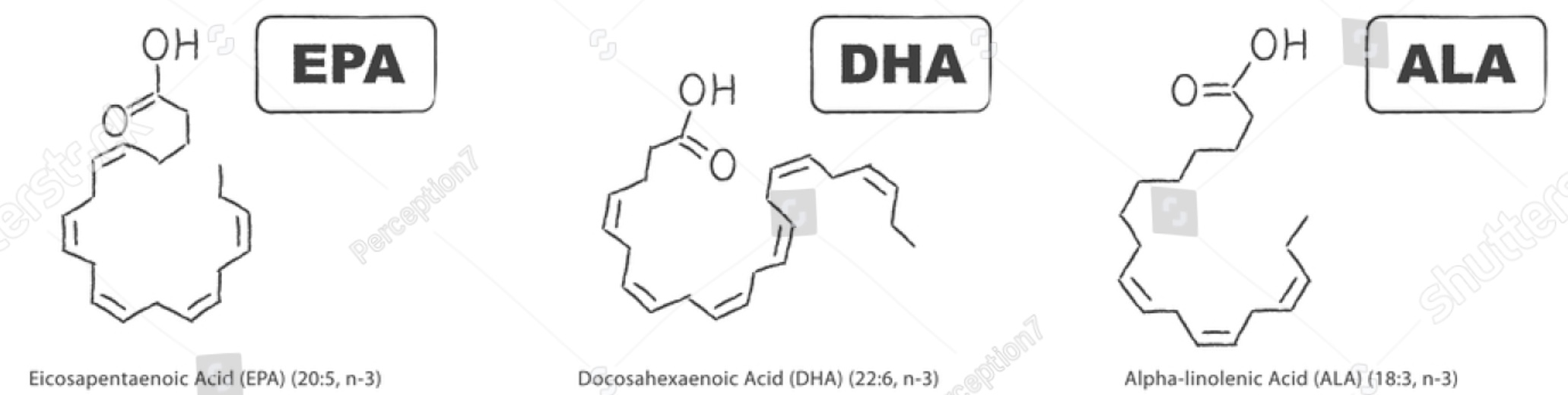
The process for recovering eicosapentaenoic acid (EPA) esters from microalgae is based on a three-stage route that achieves purities above 90% with EPA recovery yields above 70%.
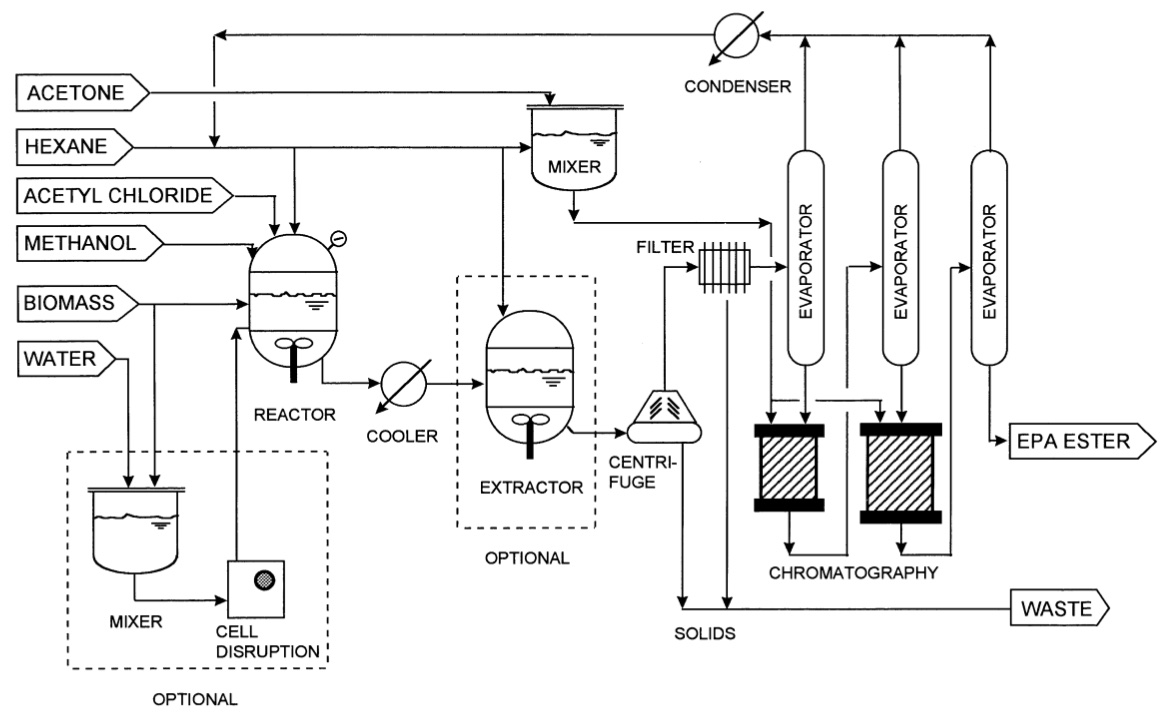 Scheme of a process for obtaining EPA (ester) from microalgae.
Simultaneous extraction and transesterification
The first stage consists of the direct conversion of lipids in the biomass into fatty acid esters via a single-step process. For this, the biomass (wet or freeze-dried) is mixed with methanol, hexane and acetyl chloride. This technique eliminates intermediate operations and is especially effective with wet biomass of the diatom Phaeodactylum tricornutum, providing an economic advantage by avoiding costly material drying.
Fractionation by silver-impregnated silica chromatography
Crude fatty esters are separated using column chromatography with silica gel impregnated with silver nitrate (silver-impregnated stationary phase). Separation occurs through the formation of charge-transfer complexes between silver ions and the double bonds of unsaturated fatty acids. EPA, being highly unsaturated, is retained more strongly than saturated or monounsaturated esters, allowing its selective isolation via elution with acetone-in-hexane gradients. The maximum acceptable loading of the ester mixture on the support is 4% (w/w) to maintain resolution.
Pigment removal
The EPA fraction recovered from the silver column usually shows traces of chlorophylls. To remove them, a second chromatographic stage is performed using non-silver-impregnated silica gel. The extract is eluted with a mixture of hexane and acetone, yielding a final pale yellow product free of contaminating pigments.
Product quality and stability
- Purity: In the case of P. tricornutum, purities of up to 96% are achieved.
- Contamination: The presence of leached silver in the final product is negligible, with values below 210 ppb.
- Stability: EPA as an ester is more stable than as a free fatty acid. Its shelf life is significantly extended if stored dissolved in hexane or if antioxidant mixtures are added to prevent oxidative degradation.
Obtaining B-phycoerythrin from microalgae
B-phycoerythrin (B-PE) is a pigment of the phycobiliprotein family present in red microalgae such as Porphyridium cruentum. It is widely used as a fluorescent probe in biomedicine and as a natural colourant in food and cosmetics due to its intense pink colour and high fluorescence.

Initial extraction
The process begins with the release of phycobiliproteins from fresh or frozen biomass through osmotic shock, usually using an acetic acid-sodium acetate buffer solution. This method allows recovery of more than 90% of the phycoerythrin present in the cells.
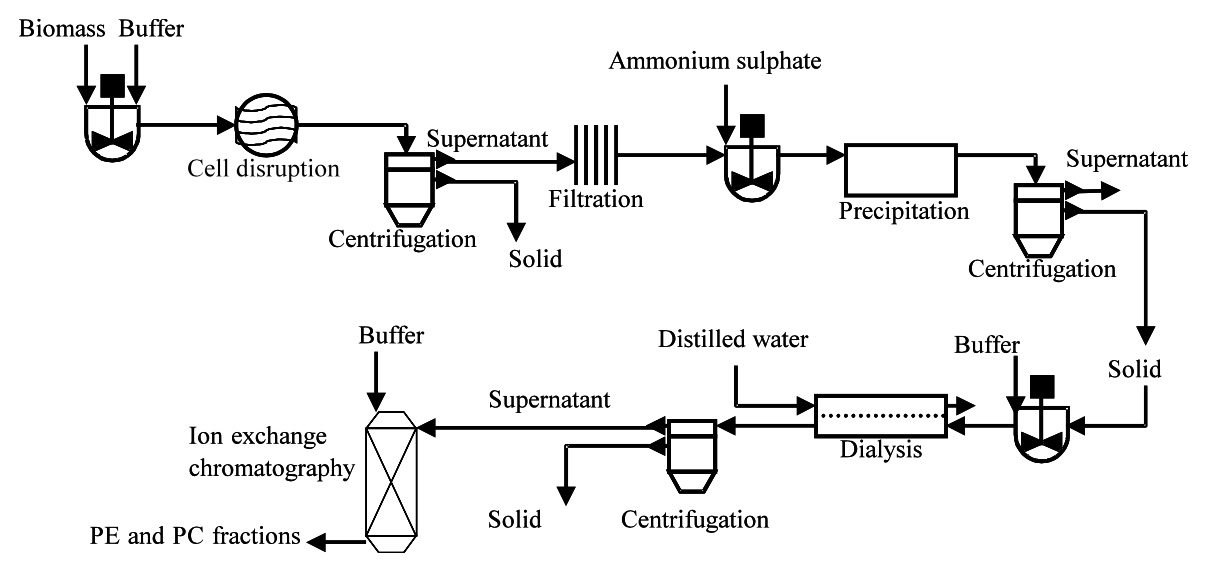 Scheme of a process for obtaining phycocyanin/phycoerythrin from microalgae.
Purification by expanded bed adsorption (EBA)
To simplify the process and avoid tedious centrifugation and precipitation steps, expanded bed adsorption chromatography is used with an anionic matrix (Streamline-DEAE).
- Adsorption: The crude extract is pumped in upward flow through the column, where phycoerythrin binds selectively to the matrix while cell debris and unwanted proteins pass through.
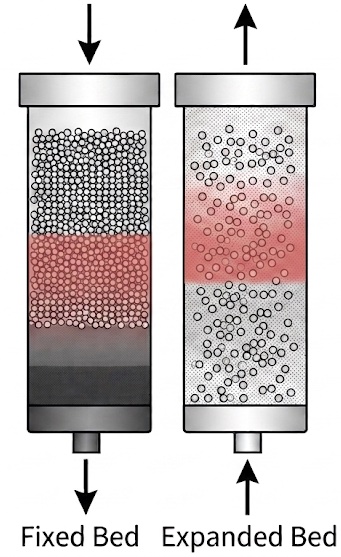 Purification of phycocyanin/phycoerythrin by expanded bed chromatography.
- Washing and elution: After washing, the bed is allowed to settle and the product is eluted in downward flow using a buffer with higher ionic strength. This step simultaneously acts as a clarification and concentration method.
Final purification by ion exchange
The enriched solution obtained from the expanded bed undergoes a final stage of conventional packed-bed ion exchange chromatography (DEAE-cellulose). Through a stepwise gradient elution, other pigments such as R-phycocyanin and residual colourless proteins are separated out.
Quality and yield
- Yield: The process achieves an overall recovery of 66% of the initial B-phycoerythrin.
- Purity: The final product shows very high purity, verified by an absorbance ratio and by SDS-PAGE electrophoresis, confirming the presence of its characteristic subunits ().
Production of Carbon-13-labelled fatty acids
The production of polyunsaturated fatty acids labelled with the stable isotope (and indeed any other carbon-containing organic molecule) is achieved through autotrophic microalgae cultivation in a system designed to maximise carbon assimilation efficiency. This process allows the production of safe biological tracers for metabolic studies in medicine and research.
In principle, the process could also be carried out with higher plants; however, microalgae cultures are especially suitable for this process as they allow to be removed from the medium and ensure that only enters the system, thus guaranteeing product purity.
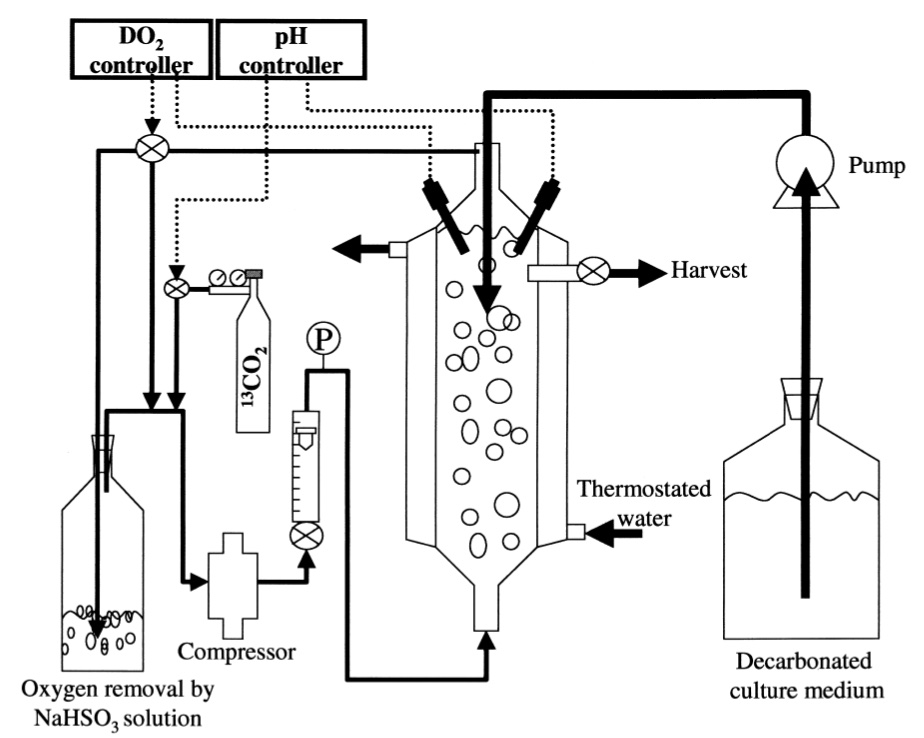 Scheme of a process for ¹³C labelling using microalgae.
Cultivation system and gas recirculation
The core of the process is a bubble-column photobioreactor operating in a closed circuit to prevent gaseous losses of the isotope. The reactor's exhaust gases are collected and reintroduced into the culture via a low-pressure compressor. Carbon supply is achieved through controlled injection of , which simultaneously serves to regulate the pH of the medium.
Dissolved oxygen control and decarbonation
To prevent the accumulation of oxygen generated by photosynthesis from inhibiting growth in the closed system, the recirculating gas is bubbled through a sodium bisulphite solution before returning to the reactor. This chemical compound reduces oxygen to hydroxide, allowing safe dissolved oxygen levels to be maintained.
Prior to inoculation, the culture medium is decarbonated to remove residual and ensure the isotopic purity of the final product.
Cultivation system and gas recirculation
The core of the process is a bubble-column photobioreactor operating in a closed circuit to prevent gaseous losses of the isotope. The reactor's exhaust gases are collected and reintroduced into the culture via a low-pressure compressor. Carbon supply is achieved through controlled injection of , which simultaneously serves to regulate the pH of the medium.
Dissolved oxygen control and decarbonation
To prevent the accumulation of oxygen generated by photosynthesis from inhibiting growth in the closed system, the recirculating gas is bubbled through a sodium bisulphite solution before returning to the reactor. This chemical compound reduces oxygen to hydroxide, allowing safe dissolved oxygen levels to be maintained. Prior to inoculation, the culture medium is decarbonated to remove residual and ensure the isotopic purity of the final product.
Assimilation efficiency and product quality
The process achieves a carbon fixation efficiency of 59.5% in the biomass, while 33% remains in the culture supernatant and only 7.5% is lost from the system. The resulting biomass has a fatty acid content of 10% on a dry weight basis, with an eicosapentaenoic acid (EPA) fraction of 2.5%. Analysis by gas chromatography and mass spectrometry confirms that more than 90% of the carbon in these fatty acids is .
-labelled substances
It is also possible to obtain -labelled substances in a manner similar to that described for . For this, a culture medium based on or can be used. Due to the nature of microalgae cultures, it is much easier to use these microorganisms than higher plants or macroalgae.
Summary 1.6 - Applications and products of microalgae
General classification
Low value: commoditised products, a few euros/tens of euros per kg, tonne-scale (biofertilisers, biodiesel, bioethanol, wastewater treatment, raw biomass as SCP).
High value: substances in small quantities, hundreds/thousands of euros per kg, requiring costly recovery and purification.
Low-value products
Biofertilisers (amino acid concentrates) - enzymatic hydrolysis (ball mill → Viscozyme → Alcalase/Flavourzyme → centrifugation). Degree of hydrolysis up to 59%.
Biodiesel - lipid accumulation (N stress), extraction (mechanical or hexane, up to 98%), transesterification with alcohol and catalyst. Alternative: in situ transesterification.
Wastewater treatment - microalgae-bacteria consortia, recover N and P as biomass, integrable with biogas production.
Bioethanol - carbohydrate fermentation (Chlorella, Dunaliella, etc.), pretreatment, enzymatic saccharification, yeast fermentation, distillation up to 99% purity.
High-value products
Lutein (Scenedesmus almeriensis) - bead mill disruption (98% efficiency), KOH saponification, hexane extraction (95% recovery), purification and stabilisation in olive oil.
High-purity EPA (Phaeodactylum tricornutum) - simultaneous extraction/transesterification, silver-impregnated chromatography (separates by unsaturation), pigment removal, purity up to 96%.
B-phycoerythrin (Porphyridium cruentum) - osmotic shock, expanded bed adsorption chromatography (EBA), final ion-exchange purification. Yield 66%, high purity (A545/A280 > 4.6).
¹³C-labelled fatty acids - closed-circuit cultivation with ¹³CO₂, dissolved O₂ control with sodium bisulphite, prior decarbonation. Fixation efficiency 59.5%, >90% of C is ¹³C. Also applicable to ¹⁵N labelling.